

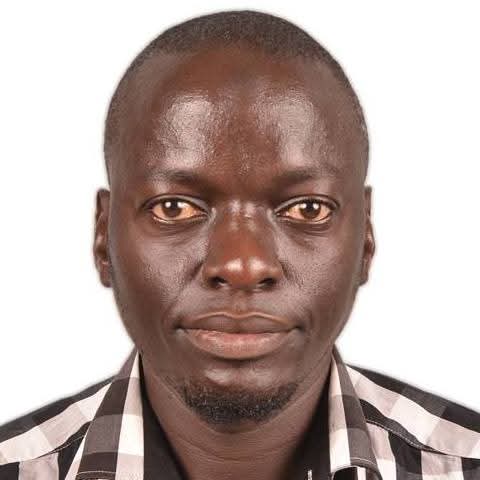
Dr. Sebit Mustafa Sebit.PhD, MPH
Research Editor
-
Expertise: Refugee Health, Health Informatics, Refugee Health Programming, Community Health
-
Email: sebison81@gmail.com
Biography
Dr. Sebit Mustafa Sebit is a South Sudanese academician and public health expert affiliated with Taxila American University and The Islamic University of South Sudan.His research interests span Refugee Health, Health Informatics, Refugee Health Programming, Community Health, Child Survival, Data Science, and the Development of Islamic Thought. He is a member of the Association of African Universities (AAU), an organizational member of the American Public Health Association (APHA), and an active member of the International Institute of Islamic Thought (IIIT). He has published 50 scientific articles and reviewed 20.
Dr. Sebit holds a Ph.D. in Public Health from Nicaragua Central University (2020), a Master of Public Health from Kampala International University in Uganda (2010), and a Bachelor of Public Health from Upper Nile University in South Sudan (2004). He currently serves on the Ph.D. Advisory Committee at Taxila American University and previously worked as a Senior Public Health Associate with the UNHCR Refugee Program in South Sudan. He has also served as an Adjunct Assistant Professor of Public Health at the University of Juba and continues to volunteer as academic staff at the Islamic University of South Sudan, where he lectures in Monitoring and Evaluation (M&E). He supervises both undergraduate and graduate research projects and provides training to master’s students in research methodology and data analysis using SPSS, Epi Info, and Excel.
Dr. Sebit has completed Leadership Development Program (LDP) training and is recognized for his strong expertise in Health Information Systems management and M&E. He has trained South Sudanese health workers, County Health Department (CHD) staff, and State Ministry of Health (SMOH) teams in leadership, monitoring, and data management.
Throughout his career, Dr. Sebit has contributed extensively to the establishment of Primary Health Care (PHC) services across South Sudan, the implementation of public health programs in refugee camps and settlements, proposal development, project management, nutrition programming, and food security monitoring. He has also led capacity-building efforts for program staff, CHD teams, Village Health Committees, community health workers, and local organizations.
He has in-depth knowledge of higher Education, M&E systems in South Sudan and is familiar with reporting formats and operational procedures used by MSF, IMC, UNICEF, UNOCHA, and other humanitarian agencies. Dr. Sebit is well-versed in donor policies, compliance requirements, and international best practices in project design, monitoring, and evaluation.